
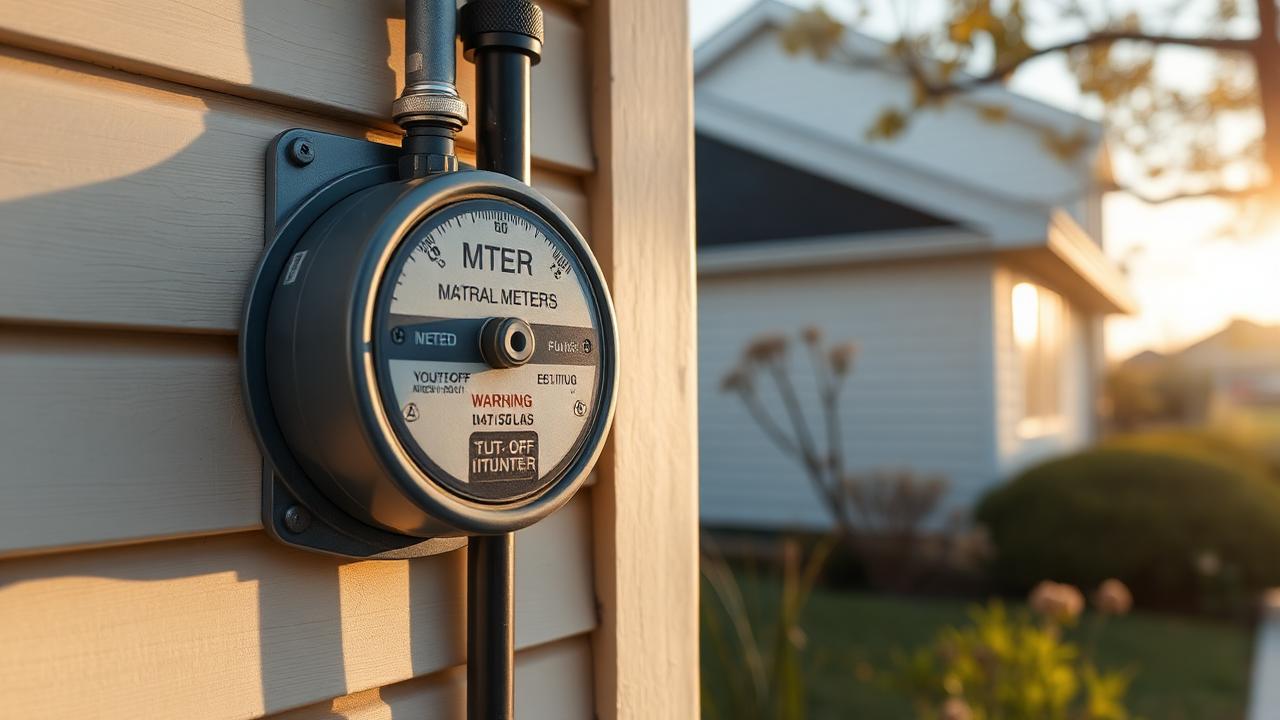
Why San Jose homes need one
Post-earthquake fires — not the shaking itself — cause a large share of building losses in major California quakes. When a shaking event ruptures a gas line inside a wall or under a slab, gas flows until someone finds and closes the meter valve. A seismic shut-off valve closes that window automatically, in the first seconds of shaking, without anyone needing to be home.
How the valve works
- A metal ball sits above a seat inside the valve body
- Sustained ground motion above the design threshold (calibrated to roughly a 5.4 magnitude event) shakes the ball off its perch
- The ball drops into the seat and blocks gas flow
- Gas stays off until a person manually resets it
No power, no sensor, no wireless signal. This is exactly what you want in a safety device that has to work in the middle of a major event.
Where it's installed
Two common locations:
- Meter-side (utility-installed): PG&E can install a valve on their side of the meter in some cases
- House-side (plumber-installed): A licensed plumber installs the valve on the customer-owned line, downstream of the meter — the most common option
California code — the short version
California SB 1637 requires an automatic seismic gas shut-off valve on many properties at the point of a substantial addition, alteration, or repair (over a set dollar threshold). Some local jurisdictions require them earlier. Many insurance carriers offer a small premium reduction after installation. We check the applicable requirement for your address before we quote.
What a proper installation includes
- Verify the correct valve size for your meter and load
- Install upstream of any branches so the whole home is protected
- Support the piping and valve per code
- Pressure test the line after cut-in
- Pull the permit and schedule the inspection
- Show you where the reset is and how to use it
After an earthquake — what to do if the valve tripped
- Check for the smell of gas anywhere in or around the home before doing anything else
- If you smell gas, leave the property and call PG&E or 911 from outside — do not reset the valve
- If there's no smell and no visible damage to gas appliances or lines, you can reset the valve at the valve body
- Relight pilots on gas appliances that require it, or have a plumber do it
- If you're unsure at any step, call a licensed plumber before restoring gas
Related
See also our guide on what to do if you smell gas and our gas line repair service page.
When to call a licensed plumber
If the issue is beyond a quick homeowner check — or if it involves gas, sewage, active water damage, or hidden leaks — call a licensed plumber. In San Jose and the surrounding South Bay, that's us.
Related service: Gas Line Repair in San Jose.
- CA Lic #1087742
- Licensed & Insured
- 20+ Years Trade Experience
- Residential & Commercial
- 24/7 Emergency Service